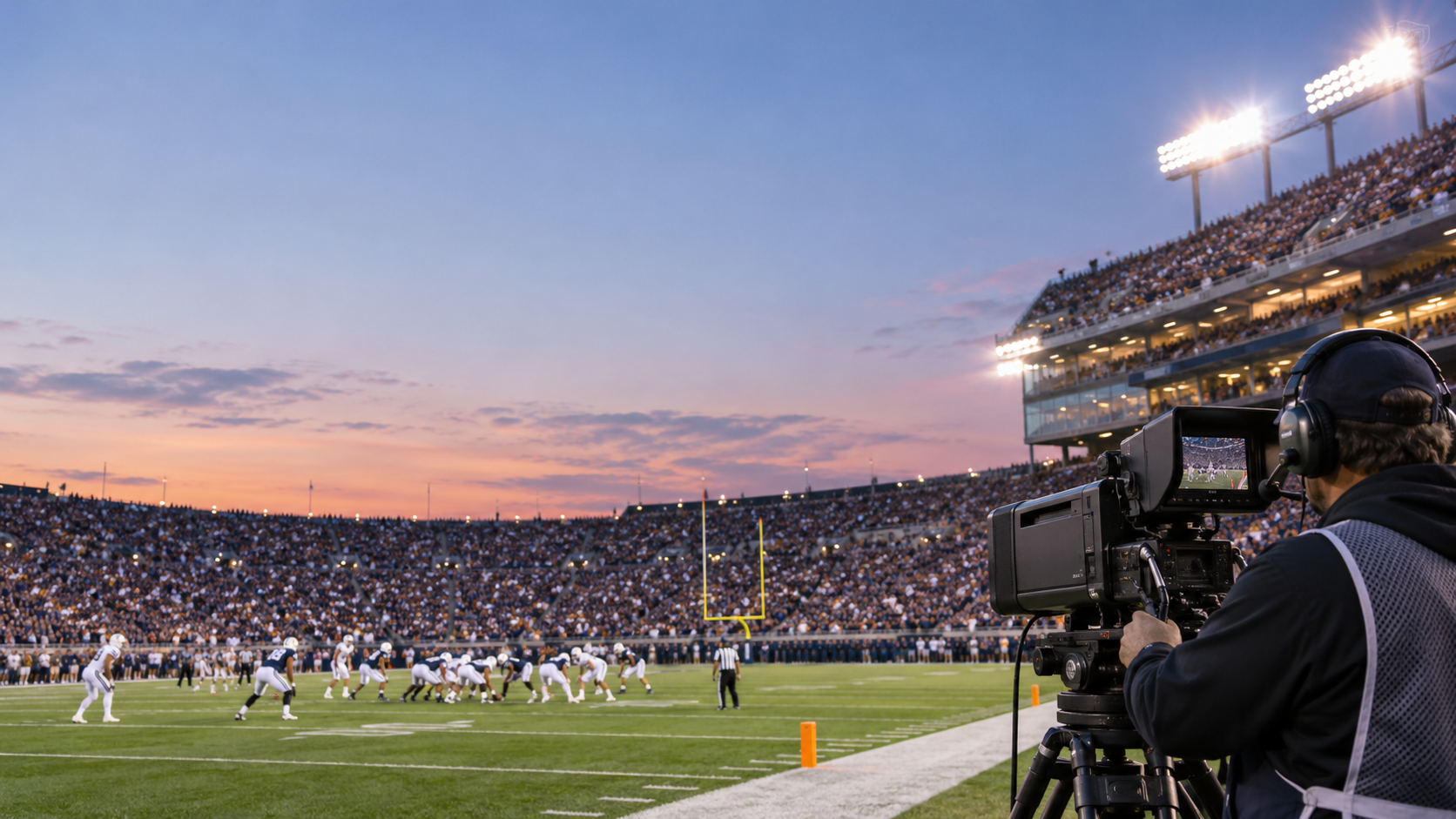
Why the NFL Trade Deadline Became a Major Event
Why the NFL Trade Deadline Became a Major Event
The NFL trade deadline was once a quiet roster checkpoint. Today, it is one of the league’s most closely watched strategic moments.
Teams no longer view the deadline as a date reserved for rare emergencies. They use it to correct offseason mistakes, replace injured players, strengthen playoff rosters, acquire future assets, and clarify their competitive direction. The deadline has become the visible peak of a much larger in-season transaction cycle.
This shift reflects a broader change in how NFL teams build rosters. Front offices have more salary-cap expertise, better performance data, greater access to contract information, and stronger incentives to pursue immediate improvement. Contenders are more willing to spend future assets on present production, while rebuilding clubs can convert veterans into draft capital.
The result is an in-season transaction boom. The modern NFL increasingly treats roster construction as a continuous process rather than a seasonal exercise.
Why the Old NFL Trade Deadline Felt Quiet
Rosters Were Traditionally Built Before the Season
For much of NFL history, roster construction happened primarily during the offseason, the draft, organized team activities, training camp, and final roster cuts. Once the regular season began, teams generally preferred continuity.
That preference made sense. Football systems are complex, and players must understand terminology, assignments, protections, route concepts, coverage rules, and communication responsibilities. A midseason addition could have physical ability but still struggle because he lacked knowledge of the scheme.
The integration problem is especially significant at quarterback and along the offensive line. Quarterbacks must understand the entire offensive structure, while offensive linemen must coordinate protections and blocking calls with teammates. Defensive backs also need time to learn coverage adjustments and communication rules.
NFL players often have precise assignments that change according to formation, motion, down, distance, and opponent tendencies. Coaches therefore viewed midseason changes as disruptive and preferred to install systems before the season began.
Midseason Trades Carried Significant Costs
An NFL trade involves more than evaluating a player’s talent. Teams must consider the contract, remaining salary, guaranteed money, salary-cap consequences, medical condition, draft-pick compensation, and locker-room impact.
The acquiring team must process the transaction, prepare the player for travel, determine his practice status, and decide how quickly he can enter the lineup. Coaches must install a role without taking practice repetitions away from existing players.
The financial side can be equally complicated. A club may need to account for bonus allocations, dead-cap charges, contract incentives, and future extension possibilities. The value of a player cannot be separated from the cost of acquiring and retaining him.
These barriers made teams more likely to wait for offseason solutions. Free agency and the draft offered more time for medical evaluations, negotiations, installation, and player development. The trade deadline remained relevant, but it attracted less attention than the draft, free agency, training camp, or the regular season itself.
How the In-Season Transaction Boom Changed the Deadline
The Deadline Became a Competitive Checkpoint
The first half of the season gives teams evidence that preseason expectations cannot provide.
A club may discover that its offensive line is less reliable than expected, its pass rush lacks depth, or a young receiver is ready for a larger role. Injuries can create weaknesses at positions that appeared well stocked in August. A quarterback’s development can change the team’s outlook, while the remaining schedule can alter its playoff position.
The trade deadline gives front offices a formal point at which to review that evidence. Teams can decide whether to buy, sell, stand pat, or redirect resources toward the following season.
That decision is not based only on the win-loss record. Teams increasingly examine performance quality, injury timelines, remaining schedule, divisional competition, and the sustainability of their results. A team with a winning record may still be a poor buyer if its underlying performance is weak. A team with a losing record may remain competitive if key players are expected to return.
The deadline therefore functions as a competitive checkpoint. It connects preseason planning with regular-season information and postseason urgency.
Teams Make Moves Throughout the Season
The modern transaction environment extends beyond headline trades. Teams constantly adjust rosters through practice-squad promotions, waiver claims, veteran signings, injury replacements, contract restructures, and practice-squad protections.
These moves create a broader sense of roster movement. A trade may attract the largest headlines, but the surrounding activity shows that teams are managing personnel every week.
Injuries are a major driver. A club may lose a starting cornerback, offensive tackle, linebacker, or running back and need a replacement immediately. The best solution may be a trade, but it could also be a free-agent signing, waiver claim, or practice-squad promotion.
The NFL trade deadline is therefore no longer an isolated event. It is the most visible point in a season-long roster-management cycle.
Why NFL Teams Became More Aggressive
The Salary Cap Encourages Flexible Planning
The salary cap forces teams to plan across multiple seasons. Every move affects the current roster as well as future spending, extensions, releases, and contract negotiations.
A trade can solve an immediate problem without requiring a long-term free-agent commitment. A contender may acquire a player for the remaining portion of his contract, evaluate his fit, and decide later whether to extend him. A rebuilding team may move a veteran before his contract expires and avoid future costs.
Front offices evaluate several financial factors:
- Remaining salary
- Guaranteed money
- Signing-bonus treatment
- Dead-cap charges
- Contract incentives
- Extension opportunities
- Draft-pick compensation
Modern cap specialists also understand how to structure transactions creatively. A trade may include contract adjustments, renegotiation, or an extension designed to spread costs over multiple seasons.
Not every team has the same flexibility. Cap space, ownership spending, contract design, and existing commitments create major differences between clubs. Still, improved cap management allows more teams to evaluate trades as part of a broader financial plan rather than as one-time risks.
Draft Picks Became Valuable Trade Currency
Draft picks provide cost-controlled talent and long-term flexibility. They also give rebuilding clubs a way to convert present assets into future opportunity.
Contenders may exchange future picks for current production. A team with a strong quarterback, defense, or offensive line may believe that one addition could improve its playoff chances enough to justify the cost.
Rebuilding teams face the opposite calculation. A veteran on an expiring contract may have limited value to the current roster but meaningful value to a contender. Trading that player can produce future draft capital, younger players, or financial relief.
The deadline is therefore a marketplace where different competitive timelines meet:
- Contenders prioritize immediate impact.
- Sellers prioritize future assets.
- Middle-tier teams decide whether they are closer to competing or rebuilding.
Conditional picks make negotiations more nuanced. Final compensation may depend on playing time, team performance, postseason success, or whether the player remains under contract. Teams must assess both the player’s current value and the likely value of the pick they are surrendering or receiving.
Competitive Windows Create Pressure to Act
NFL teams rarely have unlimited time to compete. A quarterback on a rookie contract, an aging defensive core, a star approaching free agency, or a strong offensive line can create a narrow championship window.
Other factors can accelerate urgency:
- A favorable remaining schedule
- A weak division
- A healthy defense
- An elite quarterback
- A veteran core nearing the end of its prime
- A contract timeline that may change the roster after the season
A team may accept short-term risk to improve its playoff chances immediately. The move may reduce future flexibility, but the expected value of a deep postseason run can justify that cost.
Inactivity can also be rational. A team may believe injured players will return, the trade market is overpriced, or available players do not fit the system. However, when a weakness is obvious, standing pat can draw criticism. General managers must explain not only the moves they make but also the opportunities they decline.
Why the Deadline Became More Visible
Media Coverage Turned Transactions Into Major Events
The trade deadline’s profile grew alongside the NFL’s media ecosystem. National reporters, team insiders, podcasts, social platforms, television networks, and live transaction alerts now cover negotiations in real time.
Rumors begin well before the official deadline. Reports identify potential buyers, possible sellers, available positions, and contract obstacles. Even when a deal does not happen, the speculation becomes part of the news cycle.
This creates a feedback loop:
- Rumors increase attention.
- Attention increases pressure on front offices.
- Pressure encourages teams to explain or justify decisions.
- Every move receives immediate analysis.
- Analysis creates more interest in the next transaction.
Some of the apparent increase in deadline activity reflects better public awareness. Transactions that once received limited coverage now reach fans instantly. However, the visibility also reflects a genuine change in team behavior: clubs increasingly treat roster construction as an ongoing competitive process.
Fans Follow Roster Construction Year-Round
Fantasy football, sports betting, advanced statistics, salary-cap analysis, and team-specific coverage have expanded interest in roster moves. Fans now evaluate trades through several lenses:
- Player production
- Snap counts
- Injury history
- Scheme fit
- Contract value
- Draft-pick compensation
- Positional scarcity
- Expected playoff impact
This audience expects continuous news. The offseason no longer contains all the important roster decisions, and the deadline no longer stands alone as the only meaningful in-season date.
The result is a more informed but also more demanding environment. Fans often expect a struggling team to make a move, even when the available options are limited or overpriced. Activity can create the appearance of ambition, but it does not guarantee better management.
How Analytics Improved Midseason Decisions
Teams Have More Evidence About Their Needs
Modern evaluation extends well beyond traditional box-score statistics. Teams can examine efficiency by down and distance, pressure rates, pass-rush production, separation, coverage performance, explosive-play rates, run blocking, pass blocking, expected points, and situational success.
This information helps front offices determine whether a weakness is structural, injury-related, opponent-driven, or likely to regress.
For example, a team may appear to need a wide receiver because its passing production is poor. Deeper analysis might show that the real problem is protection, quarterback decision-making, or a lack of explosive opportunities. A defense may have a low sack total but generate pressure consistently, suggesting that finishing plays rather than creating pressure is the issue.
Analytics does not eliminate uncertainty. Small samples, changing opponents, injuries, scheme differences, and player roles still complicate evaluation. However, better information improves the quality of the questions teams ask before making a trade.
Scheme Fit Matters as Much as Reputation
A famous player does not automatically solve a team’s problem. His skill set must fit the intended role, terminology, coaching philosophy, and surrounding personnel.
Front offices and coaches must consider:
- Can the player learn the terminology quickly?
- Does he fit the offensive or defensive system?
- Can the team use him in multiple roles?
- Is he physically ready?
- Does he understand the required protections or coverage rules?
- Will his arrival change the responsibilities of existing players?
A pass rusher may contribute quickly in a specialized third-down role. A quarterback or offensive lineman may need more time because his performance depends heavily on communication and system knowledge.
Player reputation can influence trade price, but fit determines practical value. The best deadline acquisition is often not the most recognizable player. It is the player who addresses a defined weakness and can enter a clear role.
Which Teams Buy, Sell, or Wait?
Buyers Seek Specific Improvements
A buyer usually has a credible path to the postseason or championship. The team does not need to be perfect, but it must believe an addition can materially improve its prospects.
Common buyer needs include:
- Pass rush
- Offensive-line depth
- Wide receiver production
- Cornerback depth
- Linebacker coverage
- Quarterback insurance
The strongest acquisitions usually address a specific weakness. Adding talent without a clear role can create unnecessary cost and disrupt existing development.
Buyers must also evaluate the future price. Immediate contribution must justify the draft capital, salary, compensatory-pick implications, and roster spot involved.
Sellers Convert Veterans Into Assets
A seller is usually a team whose current season does not justify major spending. That club may move an expiring-contract veteran, a high-cost player, or someone who does not fit the next coaching staff.
Sellers often target:
- Draft picks
- Younger players
- Salary relief
- Roster flexibility
- Assets that fit a longer rebuilding timeline
The decision carries costs. Trading a veteran can weaken the current locker room, reduce leadership, and affect morale. It can also signal that the team has abandoned the season.
Still, if a club is unlikely to contend, future draft capital may provide greater value than several remaining months of veteran production.
Some Teams Are Stuck in the Middle
Borderline teams face the most difficult decisions. They may have a respectable record but lack convincing evidence that they can compete deep into January.
Key questions include:
- Is the record supported by performance metrics?
- Are injured players expected to return?
- Does the remaining schedule become easier or harder?
- Would a trade meaningfully improve playoff odds?
- Can the team afford to sacrifice future assets?
- Is the roster one player away, or does it need several upgrades?
Standing pat may be rational when the evidence does not support aggressive buying or selling. The challenge is that middle-tier teams often face pressure from ownership, fans, players, and media to choose a direction.
Why the Deadline Can Create Problems
Limited Practice Time Can Reduce Immediate Impact
A traded player may need to learn terminology, assignments, protections, communication rules, and situational adjustments. The shorter the preparation period, the greater the risk that his first appearances will be limited.
Quarterbacks and offensive linemen often require extensive coordination. Defensive backs must understand coverage rules and communicate with safeties and linebackers. Pass rushers may contribute sooner when placed in a narrow, specialized role.
A trade’s value may therefore appear later rather than immediately. Evaluating a move after one game can produce a misleading conclusion.
Injuries Create Medical Uncertainty
Teams assess both current availability and future durability. A player who appears close to returning may still experience setbacks, while a veteran with a long injury history may require workload management.
Medical uncertainty is especially important for contenders. Acquiring a player who cannot contribute during the playoff push may leave the team with less draft capital and no meaningful improvement.
Injuries also create emergency transactions. A club may need to sign a veteran, promote a practice-squad player, or trade for depth on short notice. Those moves contribute to the broader in-season transaction boom.
Draft-Pick Costs Affect Future Team Building
A deadline trade can reduce a team’s supply of inexpensive young talent. Draft picks provide competition at multiple positions, cost control, and future trade flexibility.
The opportunity cost may become clear several years later. A contender that trades several picks for immediate help may improve its current roster but lose depth when older players leave or expensive contracts become difficult to maintain.
A successful trade therefore requires both performance value and asset discipline. The player must help enough to justify what the team surrendered.
How the Deadline Changed Competitive Strategy
Teams Can Correct Mistakes Earlier
The trade deadline gives teams a second chance after flawed offseason planning. Clubs can address unexpected depth problems, failed free-agent fits, injuries, scheme changes, or young players who have not developed as expected.
This flexibility reduces the finality of preseason roster decisions. Teams can respond to evidence rather than remain committed to an August plan that no longer reflects reality.
Rebuilding and Contending Can Happen Together
Roster construction is no longer strictly divided between “win now” and “rebuild.” A team can trade one veteran while acquiring a younger player, retaining another veteran, and collecting future draft capital.
Front offices can balance:
- Age curves
- Contract timelines
- Positional value
- Developmental players
- Future draft capital
- Immediate competitive needs
This flexibility lets teams pursue gradual transitions instead of choosing between a full rebuild and an expensive push for one season.
The Deadline Increased Pressure on General Managers
Front offices now face expectations to demonstrate activity and foresight. A quiet deadline can be interpreted as confidence in the roster, financial caution, a missed opportunity, or a lack of viable trade options.
Activity alone is not evidence of good management. A trade should be judged by fit, cost, opportunity, expected performance, and long-term consequences.
The best general managers recognize that not every problem requires a transaction. Sometimes the correct decision is to preserve draft capital, trust injured players to return, or wait for a better opportunity.
The NFL Trade Deadline Is Part of the League’s New Normal
The NFL trade deadline evolved because the entire transaction ecosystem changed.
Flexible salary-cap planning made contracts easier to evaluate. Draft picks became a more active form of currency. Analytics and tracking data gave teams better information about roster weaknesses. Competitive windows created pressure to act. Media coverage made every rumor visible, while fans began following roster construction throughout the year.
The deadline is no longer a single day of isolated deals. It is the visible peak of a season-long process involving injuries, performance data, contract planning, scheme fit, playoff strategy, and future roster construction.
The modern NFL treats roster building as continuous. Teams adjust before the season, during the first half of the schedule, at the deadline, and throughout the postseason race. Some moves succeed immediately. Others require time. Some become costly mistakes. Others change a contender’s trajectory.
The important shift is not that every team now makes a major trade. It is that more teams view midseason movement as a legitimate competitive tool. The NFL trade deadline became hectic because the league stopped treating roster construction as something that ends when the season begins.
FAQ
Why was the NFL trade deadline once considered an afterthought?
Teams traditionally built their rosters during the offseason, draft, training camp, and final roster cuts. Midseason trades also created challenges involving contracts, salary-cap planning, practice time, medical evaluations, and playbook integration.
Why are NFL teams making more in-season trades?
Teams have more information about their actual strengths and weaknesses. Better salary-cap planning, increased draft-pick flexibility, improved evaluation, and competitive pressure make midseason moves easier to assess.
What makes an NFL team a buyer at the trade deadline?
A buyer usually has a realistic path to the playoffs or championship and wants to address a specific weakness. The team must balance immediate impact against the cost in draft picks, salary, and future roster flexibility.
What does it mean when an NFL team is a seller?
A seller typically moves a veteran or expensive player in exchange for future draft capital, younger assets, or financial flexibility. Selling can support a rebuild when the team is unlikely to contend during the current season.
Do trade-deadline acquisitions help immediately?
Some players contribute quickly, particularly in defined roles. Others need time to learn the scheme, terminology, protections, and communication rules. Immediate impact depends on position, experience, health, and system complexity.
Is making a trade always better than standing pat?
No. A trade is worthwhile only when the expected improvement justifies its financial and draft-pick cost. Standing pat can be better when available players do not fit the scheme, the team lacks playoff potential, or the asking price is excessive.